

Is CBD Oil For Dogs Legal?
CBD is becoming increasingly popular in pet owners, as research shows it can treat a variety of ailments. From anxiety to pain, CBD can help keep your dog in good health and happy.
Before you decide to give cbd to your dog you should think about some of the following. This article will discuss some of the most important issues with this popular cannabis ingredient, so that you can make an informed decision regarding the best option for your pet.
Legality
In the United States, CBD oil for cats and dogs is legal in the event that it is composed of hemp that contains 0.3% or less THC. However, it's important to understand the nuances of hemp law so that you are sure that your pet will remain legally and safely.
CBD can help your dog, whether they have anxiety or just require a little extra help with their daily routine. It won't get them high, but it could also help calm a variety of other mental and physical ailments in your dog from epilepsy to arthritis.
The best way to ensure your dog's CBD oil is safe is to purchase a quality product that's examined by a third-party lab. This will provide you with a Certificate of Analysis (COA) that will provide you with an in-depth description of the various cannabinoids and terpenes in your CBD oil and any contaminants it might contain.
It is crucial to read reviews and reputation of a business before you shop online. These reviews will give you an idea of the company's client service and product quality.
When you purchase CBD for your pet, be sure to choose an established brand that makes use of organic hemp grown in a safe and sustainable manner. Some brands use low-quality hemp that's contaminated with pesticides or heavy metals, which could pose a health risk to your pet.
Additionally, you should look for a brand that uses full-spectrum cannabinoids. These are the ones that have all the other beneficial amino acids, fatty acids and trace minerals. This makes them more effective and safer for your dog as they'll have a greater chance of receiving all the benefits from the entire plant.
It's also important to take note that veterinarians in certain states aren't allowed to prescribe or recommend CBD-infused products for their patients. This is due to the fact that there isn't much research about the safety or efficacy of CBD for pets. This is why it's so important to consult with your vet before giving your pet CBD.
Safety
CBD has been researched in animals quite little, but some vets recommend CBD as a natural remedy for their pets' ailments. Consult your veterinarian prior to taking any supplements, especially if you dog is prone seizures or has anxiety.
Vets usually recommend CBD to dogs suffering from chronic pain and anxiety, cancer and arthritis. It can also help with nausea and vomiting.
It has also been proven to be effective in treating Idiopathic seizures. It can reduce the frequency of seizures when used in conjunction with antiseizure drugs.
CBD is not yet proven to work, but it could lower the amount electrolytes found in the brain. This could stop nerve cells from firing too much and causing seizures.
Some vets advise against giving CBD to dogs suffering from liver issues, as it can be transformed by the liver.
While certain pet owners have observed their dogs respond positively to CBD however, some dogs experience adverse reactions like vomiting, diarrhea and diluting urine. Start small and gradually increase the dosage if needed.
Another important point is to be sure that you're buying a product that has been tested by a third-party lab. This way, you can ensure that it has the right amount of CBD recommended by your veterinarian.
Find out if the company conforms to NASC standards. This means they are subject to rigorous quality audits, and they follow ethical manufacturing practices. This is an excellent way to stay clear of products of poor quality that could be fake or contain harmful ingredients.
Finally, you should look for products with a Certificate of Analysis (COA) which will indicate the exact amount of CBD in the product. A COA will also inform you whether the CBD is derived from hemp that was grown in a controlled setting.
It's essential to do some research when purchasing CBD for your pet, and it's recommended to select a product that has been approved by the National Association of Science Writers (NASC). These companies have a track record of success and adhere to strict ethical practices.
Dosage
CBD oil for dogs is commonly employed as a pain-relief medication and the dosage can vary depending on the dog's size and health condition, among other things. Larger dogs, for instance, require more CBD compared to smaller dogs. The recommended dosage for dogs is usually about 1 milligram for every kilogram of body weight.
The type of illness that is being treated, as well as the prescription from your vet will determine the correct dosage of CBD oil. If your dog is taking any other medication, it is important to discuss the use of cbd with your veterinarian to ensure you are not prone to negative side effects or interactions.
In addition, if you pet has any other health conditions, such as liver or kidney illness, they may alter the way in which cbd processed in your pet. If you are concerned about an overdose you should start with a small dose and gradually increasing the dose until your pet is receiving the appropriate dose for their size.
For certain dogs, particularly those who suffer from joint problems such as degenerative myelopathy and arthritis, the anti-inflammatory properties of CBD can be beneficial for pain relief. A study conducted by the Cornell University College of Veterinary Medicine in 2018 showed that CBD was efficient and safe in reducing pain when administered in doses of 2 mg/kg daily for 12 hours for a period of four weeks.
Similarly, in a small study of epileptic dogs CBD was found to reduce seizures by as much as 50%. This is a positive sign that CBD may be able to treat this condition, however further research needs to be conducted before we can say for sure that it is effective.
Another benefit of CBD is that it can help to assist the endocannabinoid process in your pet. This is an organ which regulates various biological processes inside your pet's body.
It is also important for their overall health and well-being and may help them fight certain diseases like cancer. The antioxidant and anti-cancer properties of CBD could slow the growth of cancerous tumors and kill cancer cells in some cases according to Veterinary News.
Side Effects
CBD oil is a legal and safe method to manage your dog's pain, anxiety, seizures, and more. It can also help relieve inflammation, which can be good news if your pet suffers from an ongoing condition or recovering from an injury.
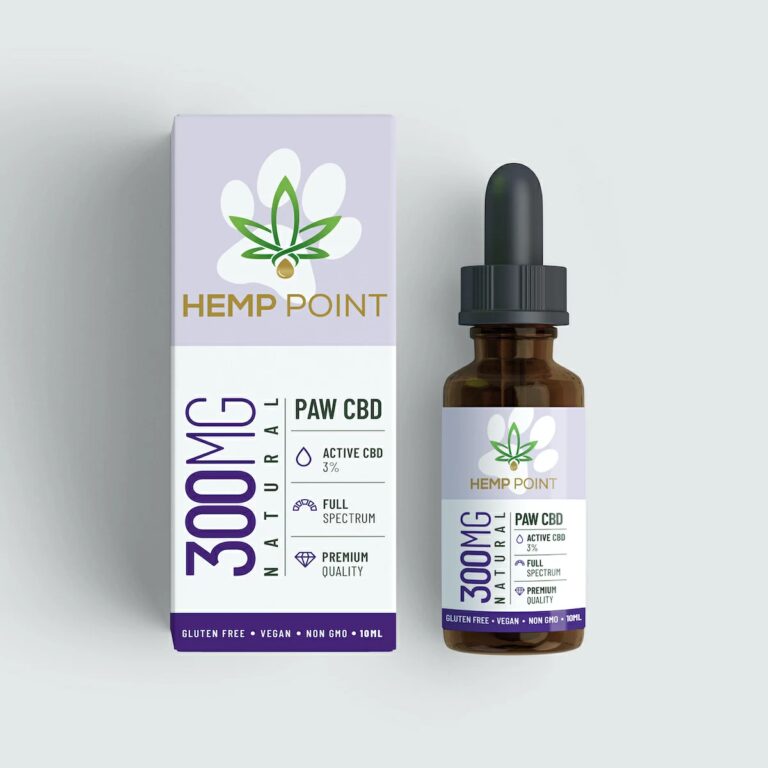
In addition, a smaller study showed epileptic dogs treated with CBD in addition to seizure medication had less seizures than dogs who were given seizure medications as well as a placebo. However further research is required to find out whether CBD can be effective by itself for these dogs.
CannPal, an Australian animal therapeutics company conducted a research study that demonstrated that dogs suffering from atopy – an allergy that causes itching and chewing - had less itching after taking a CBD product for a time of four weeks. In fact that 65% of dogs in the trial had at least 50% relief from symptoms.
A small study conducted by the University of Missouri showed that CBD reduced inflammation in dogs with arthritis. Researchers found that dogs that were treated with a wide spectrum CBD product had lower levels of pain after three weeks.
In general dogs tolerate CBD very well. However it is essential to start with a small dose and increase it slowly. Your veterinarian will likely recommend giving your dog only half that amount as stated on the label and see how they react before increasing the dosage.
For the majority of dogs that are ill, a dose daily of between 0.5 to 2.5 mg per pound is advised. The owner should only give more doses if the lower dose doesn't work. It is not recommended to give more than one dose in a 24-hour period.
When choosing a CBD product for a dog, select one that is made from hemp and does not contain THC. THC can trigger intoxication and other negative effects, so it's best to steer clear of products that contain this ingredient.
CBD binds cannabinoid receptors in the brain and body, affecting the endocannabinoid systems, which regulates your dog's mood sleep patterns, mood, and stress response. The endocannabinoid gland is vital to the overall health and well-being of dogs because it promotes homeostasis and reduces the pain and maintains a balanced temperament.